Why Biodiversity Matters on Working Farmland and Vineyards.
14 March, 2024· Article by Maria Jones


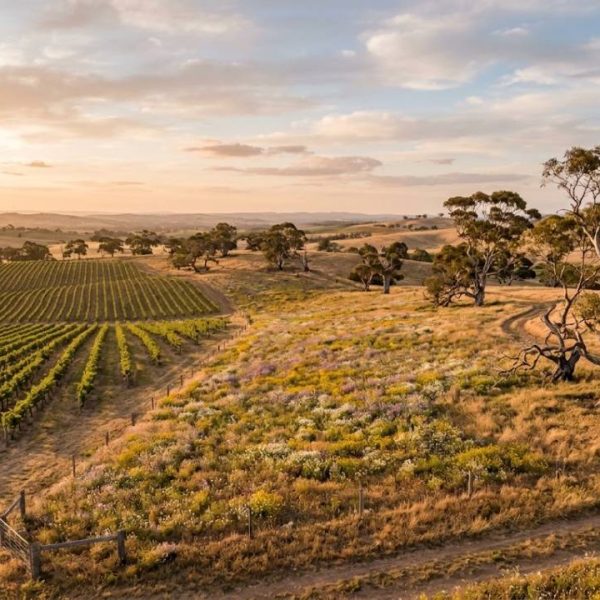
Drive through the Willunga Basin in late afternoon and the pattern is easy to read. Vines run in tidy rows, old gum trees stand along the fence lines, and a strip of wildflowers marks the edge of the next paddock. That mix is no accident. Farmland that keeps its biodiversity tends to stay productive for longer, and the families who work it often know this before any report says so.
What biodiversity means on a working farm
Biodiversity is the full range of living things in one place, from the bees that visit vine flowers to the fungi that feed tree roots. On a farm it shows up in very practical ways. Pollinators lift yields in orchards and almond blocks. Insect-eating birds keep pest numbers in check. Healthy soil holds water through a dry summer. None of this is charity work. It is part of how a farm earns its living year after year.
The mistake many owners make is treating wildlife and production as rivals. The best managed properties treat them as one system, and they plan both on the same map.
Remnant trees and quiet corridors
A single old gum tree can host dozens of species, from hollow-nesting parrots to bats and beetles. When these trees are linked by shrubs and grass strips, animals can move across a district without crossing open ground. Ecologists call these links wildlife corridors, and even a narrow one helps.
Landholders can start small. Fence off a creek line, leave a few dead trees standing for nesting, and plant local grasses rather than imported ones. A corridor only ten metres wide can change which species stay on a property.
Soil life does the heavy lifting
Below the vines lies a second world. Worms, bacteria and fungi break down plant material and release nutrients. Ground cover between the rows reduces erosion and keeps soil temperatures steadier. Many growers now sow legumes or native grasses in the alleys, and they report fewer inputs and stronger vines after a few seasons.
Soil tests every two or three years give a clear picture. Look at organic carbon, structure and microbial activity, not only at nitrogen and phosphorus.
Water, creeks and the wider catchment
Farm dams and creeks are small habitats with large effects. Reeds filter runoff, frogs feed on mosquito larvae, and shaded banks keep the water cooler. Because a catchment crosses many fences, a neighbour's choices matter as much as your own. Landcare groups across South Australia exist for this reason, and they often share seedlings, tools and advice for free.
Heritage and land belong together
Places such as the Willunga Basin carry layers of history, from Kaurna land use to early European settlement and stone farm buildings. Protecting a heritage barn while ignoring the paddock around it misses the point. The setting is part of the story. Visitors, buyers and local councils increasingly ask for both: a documented building and a documented environment.
When land documents cross borders
Rural property in a sought-after region attracts interested buyers from overseas, and with them comes paperwork in more than one language. Title records, environmental assessments, heritage listings and water licences may all need to be read by a lawyer or a lender abroad. Many authorities accept only a sworn or stamped translation, so it pays to book certified document translation services before a deadline is looming.
A mistranslated term can slow a sale by weeks. Phrases such as remnant vegetation, native title and easement have no neat equivalent in many languages, so a translator who knows the field is worth the fee. The same care applies to powers of attorney that let a relative or agent sign for an owner overseas, which is where specialist legal translation services become useful.
Practical steps for landholders
A simple plan keeps the work manageable. Walk the property in each season and note what you see. Map the creek lines, tree clusters and bare patches. Choose one or two projects a year, such as a new wildlife strip or a weed-control block, and write down what you did. Photographs taken from the same spot each spring make a surprisingly strong record.
Funding can help. State grants and local council programs often cover part of the cost of fencing and revegetation, and many accept applications from small farms.
Measuring what you protect
Counting species sounds academic, but citizen science tools make it easy. Phone apps log bird and plant sightings, and the data feed into regional databases that researchers use. Over a few years, your records show whether habitat work is paying off. They also give you evidence for certification schemes, tourism marketing and sustainability reporting, all areas where buyers now ask for proof.
International standards give a shared yardstick as well. The Convention on Biological Diversity sets goals that many national programs follow, and it is a useful starting point for any farm plan.
Small habits that add up
Mow less often, leave leaf litter under trees, and keep night lighting low around sheds. Skip broad-spectrum sprays when a targeted option exists. Share what works with the next property along the road. Biodiversity grows when neighbours treat it as shared work rather than a private project.
Farms like those around Willunga show the pay-off. The vines are healthier, the visitors keep coming, and the land stays worth handing on. That is a result worth planning for, one paddock at a time.
Recent Posts
What Is Regenerative Agricultu...
Murs en pierre sèche, un refu...

Explorer la richesse écologiq...
Wie wir die Willunga Basin Nat...

Why the Willunga Basin Matters...

How Editing and Proofreading S...
Share it.

Links
We use cookies
We use cookies to give you the best online experience, remember your preferences, and understand how the site is used. You can accept all cookies, reject optional ones, or choose which categories to allow.
Privacy PolicyCookie preferences
Choose which cookies we can use. Necessary cookies stay on because the site cannot work without them.
For more details, read our Privacy Policy.