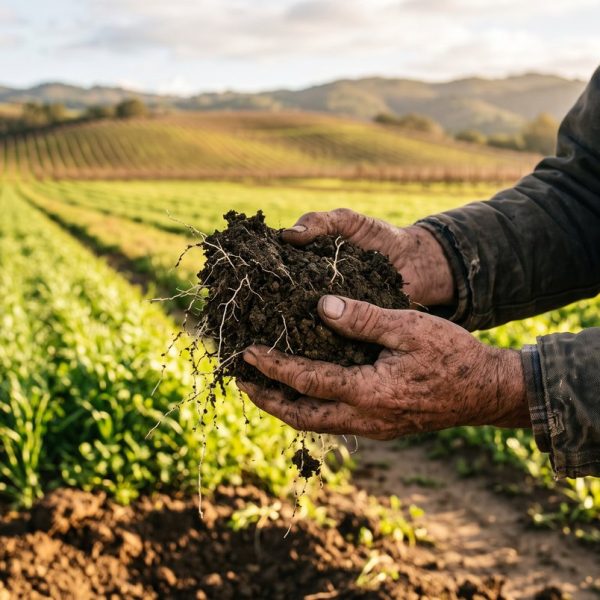


Agricultural land protection depends on more than good soil and favorable weather. The policies, reports, research papers, funding proposals, and environmental impact assessments that shape rural development all rely on precise language. When documents are unclear, inconsistent, or poorly structured, critical ideas can be misunderstood or rejected, undermining efforts to safeguard farmland. Clear, carefully reviewed writing is therefore a powerful—yet often overlooked—tool in the fight to preserve productive agricultural land for future generations.
Organizations, researchers, and rural communities increasingly rely on professional editing services to ensure their agricultural land protection documents are accurate, persuasive, and tailored to their audiences. Whether submitting policy briefs to government agencies, grant applications to international donors, or technical studies to academic journals, polished writing strengthens credibility and improves the chances that vital land protection initiatives are understood and supported.
1. Strengthening Agricultural Policy Proposals
Policy proposals are central tools for protecting farmland from unplanned urban expansion, industrial development, or unsustainable practices. Editing and proofreading ensure these documents explain land-use challenges clearly, provide solid evidence, and present realistic recommendations. By refining structure, language, and data presentation, editors help advocates showcase why certain parcels of land deserve protection and how proposed regulations will work in practice.
Well-edited proposals reduce ambiguity in zoning definitions, buffer zones, and conservation easements. This clarity makes it easier for policymakers, planners, and stakeholders to evaluate the long-term benefits of protective measures and to enact regulations that genuinely support sustainable land use.
2. Improving Grant Applications for Rural and Conservation Projects
Many farmland conservation programs depend on external funding. Grants from national ministries, international organizations, and private foundations often decide which agricultural regions receive critical support. A single unclear paragraph or inconsistent budget explanation can lead reviewers to reject a strong project idea.
Editing and proofreading help transform raw project concepts into compelling, logically organized proposals. Editors ensure that objectives align with donor criteria, that impact indicators are clearly defined, and that risks and mitigation strategies are articulated convincingly. The result is a document that not only reads professionally but also shows funders exactly how their investment will protect valuable agricultural land and rural livelihoods.
3. Enhancing Environmental and Social Impact Assessments
Environmental and social impact assessments (ESIAs) are crucial in determining whether infrastructure or industrial projects can proceed on or near farmland. These documents are dense with technical terms, scientific data, and legal references, making them vulnerable to misinterpretation if not meticulously reviewed.
Editors help ensure that complex findings are accurately summarized, that tables and charts are correctly labeled, and that terminology is consistent across the entire report. Proofreading catches numerical errors, misleading headings, and contradictory statements that could weaken conclusions. Clear, error-free ESIAs allow decision-makers to recognize risks to soil quality, water resources, biodiversity, and local communities, leading to better-informed choices that prioritize farmland preservation.
4. Clarifying Land-Use Planning and Zoning Documents
Regional land-use plans, zoning codes, and development guidelines set the formal rules for how land can be used or converted. Any vague or inconsistent language in these documents can open doors to loopholes that threaten agricultural zones.
Editing and proofreading help planners refine definitions, harmonize terminology, and maintain a logical structure throughout lengthy regulations. This reduces the risk of conflicting clauses or ambiguous phrasing that might be exploited for non-agricultural development. Clear, well-edited planning texts make it easier for farmers, municipalities, and developers to understand where farming must be maintained, where limited development is allowed, and which areas must stay protected for food production and ecosystem services.
5. Supporting Research Communication on Soil and Crop Management
Scientific research on soils, water use, climate adaptation, and sustainable farming practices underpins many agricultural land protection strategies. When studies are rejected for publication because of unclear writing or structural issues, valuable knowledge may remain inaccessible to policymakers and practitioners who need it.
Editing and proofreading refine research articles, conference papers, and technical reports so that they meet rigorous academic or institutional standards. Editors help align manuscripts with specific style guides, reorganize sections for stronger argument flow, and correct language that might confuse international readers. As a result, reliable science on land degradation, erosion control, crop rotation, and conservation agriculture reaches broader audiences and has greater influence on protection policies.
6. Making Farmer-Focused Guides and Manuals More Accessible
Not all critical documents are written for experts. Many land protection outcomes depend on how well farmers understand and adopt sustainable practices. Training manuals, extension leaflets, and online guides need to be practical, clear, and culturally appropriate.
Editors can simplify overly technical language, clarify step-by-step instructions, and adapt tone to local contexts. Proofreading ensures measurements, dates, and contact details are accurate. When such materials are easy to understand and apply, farmers are more likely to adopt soil conservation techniques, water-saving methods, and crop diversification strategies that maintain land productivity and reduce pressure for expansion into new areas.
7. Reducing Legal Ambiguities in Land Tenure and Easement Agreements
Land tenure documents, long-term leases, and conservation easements define who can use land, under what conditions, and for how long. Ambiguous clauses can create disputes, delay conservation actions, and even allow fertile land to be converted to non-agricultural uses.
Editing and proofreading help ensure legal language is consistent, coherent, and aligned with relevant laws and policies. Editors highlight contradictions, unclear responsibilities, and missing definitions, giving legal teams a clearer foundation on which to refine agreements. These stronger documents protect both landowners and tenants, while preserving land for agricultural purposes in the long term.
8. Building Trust with International Stakeholders
Agricultural land preservation often involves cross-border cooperation, international organizations, and global investors interested in sustainable food systems. When project documents, memoranda of understanding, or partnership agreements contain language errors or confusing structure, foreign partners may doubt the professionalism of the initiative.
Careful editing and proofreading demonstrate respect for partners and a commitment to precision. Well-crafted English or multilingual documentation helps eliminate misunderstandings related to timelines, responsibilities, and environmental safeguards. This trust is crucial for securing long-term collaborations that support protected agricultural landscapes and resilient rural economies.
9. Preserving Local Voices in Consultations and Public Outreach
Public consultations, community surveys, and participatory planning records capture the perspectives of farmers, Indigenous groups, and rural communities. These voices hold essential knowledge about how land is traditionally used and which areas should be preserved.
Editors can help turn raw notes and translations into coherent reports that accurately reflect local priorities. By refining language while respecting original meanings, editing and proofreading ensure that decision-makers hear and understand community concerns. This helps align land protection policies with on-the-ground realities and increases community buy-in for conservation measures.
Conclusion
Efforts to safeguard farmland are only as strong as the documents that support them. From high-level policy proposals and impact assessments to farmer training guides and community consultation reports, clear and accurate writing is essential for convincing stakeholders, securing funding, and implementing effective land-use protections.
By investing in thorough editing and proofreading, institutions, researchers, and communities involved in rural development can eliminate ambiguity, improve credibility, and communicate complex information in ways that drive action. In an era of competing demands on land and increasing pressure on global food systems, well-crafted written materials are a practical and powerful ally in preserving productive agricultural landscapes for generations to come.